Venice, Italy
Tourism Offices/Information:
Venezia Unica Tourist Information Office
Piazza San Marco 71/f
Located near the entrance to the Museo Correr
30124 Venice, Italy
Venezia Unica provides maps, visitor information and tickets for public transportation, museums, churches, tours, performances and other attractions.
Public Transportation:
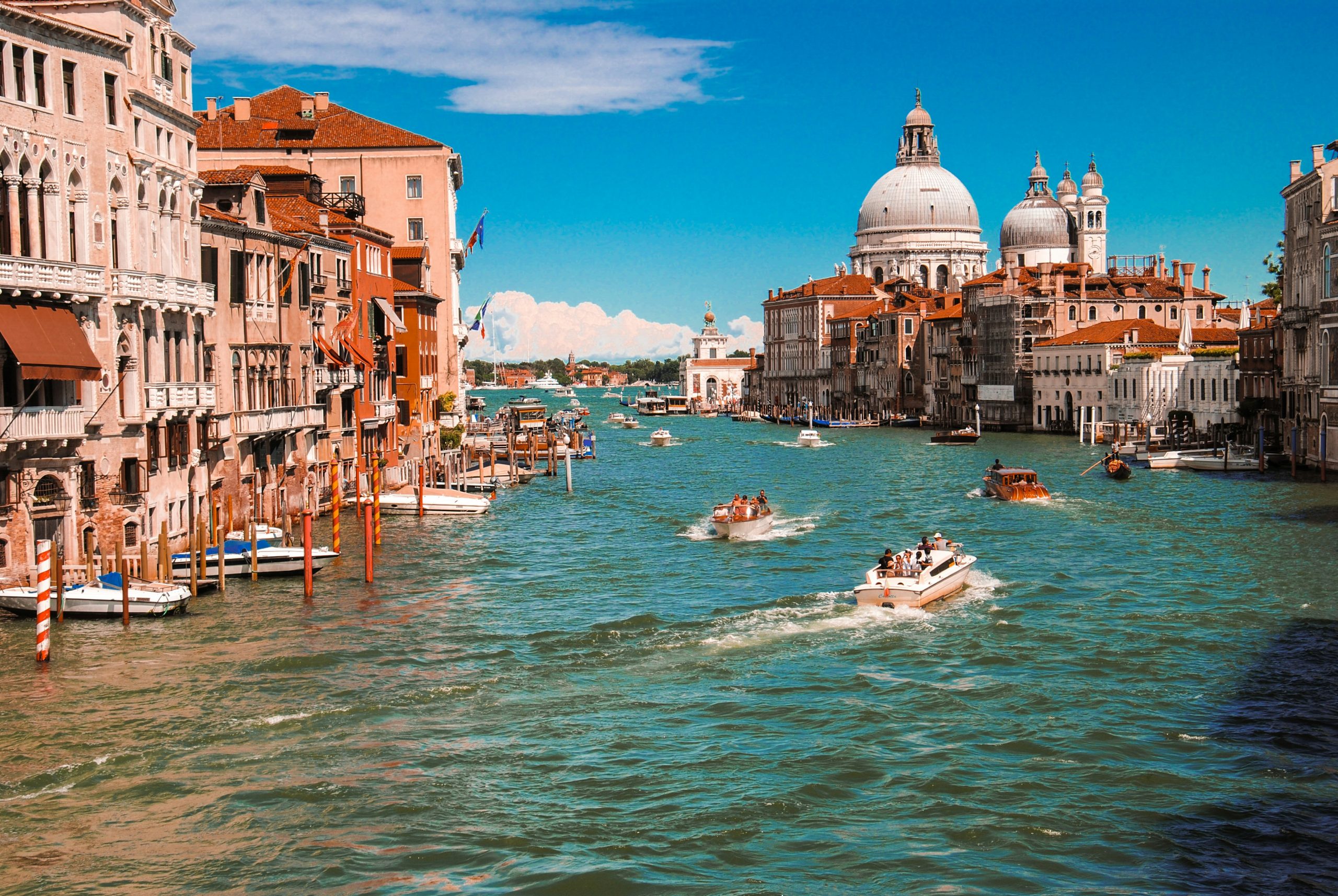
Venice’s historic center is primarily explored on foot or by boat. ACTV operates public water buses, known as vaporetti, which connect areas including St. Mark’s Square, Rialto, Santa Lucia Train Station, Murano, Burano and the Lido.
Alilaguna provides water transportation between Venice Marco Polo Airport and Venice. Tickets can be purchased from Venezia Unica offices, ticket machines and authorized sellers.
Emergency Information:
European emergency number: 112
The number 112 can be used to request police, fire or emergency medical assistance.
Hospital: Ospedale Civile SS. Giovanni e Paolo, Located in the Castello district
Public Restrooms:
Public restrooms are available at several locations throughout Venice, including major transportation points and popular visitor areas. Many public restrooms charge an entrance fee, and operating hours vary.
Currency:
Euro
Points of Interest:
St. Mark’s Square and St. Mark’s Basilica
St. Mark’s Square is the center of Venice and is surrounded by many of the city’s most recognizable landmarks. St. Mark’s Basilica is known for its golden mosaics, domes and Byzantine-influenced architecture.
Doge’s Palace and the Bridge of Sighs
The Doge’s Palace was once the residence of the Doge and the political center of the Venetian Republic. Visitors can explore ornate government chambers, historic artwork, prison areas and the famous Bridge of Sighs.
Grand Canal and Rialto Bridge
The Grand Canal is Venice’s main waterway and is lined with historic palaces and churches. The Rialto Bridge is one of the city’s most famous landmarks and connects the districts of San Marco and San Polo.
Teatro La Fenice
Teatro La Fenice is one of Italy’s most important opera houses. The theatre has hosted performances and premieres by celebrated composers, including Giuseppe Verdi, and may be visited when the rehearsal and performance schedule allows.
Murano
Murano is known around the world for its centuries-old glassmaking tradition. Visitors can explore glass workshops, browse handmade glass products and visit the Murano Glass Museum.
Burano
Burano is famous for its brightly colored homes and traditional lace-making. The island offers a quieter atmosphere, picturesque canals and shops featuring locally inspired products.
Monuments and Sculptures/Statues:
Bartolomeo Colleoni Monument
Located in Campo Santi Giovanni e Paolo, this large bronze equestrian statue was created by Renaissance artist Andrea del Verrocchio between 1481 and 1488.
Unusual Activities:
Gondola Ride
A gondola ride offers a different view of Venice’s canals, bridges and historic buildings. Official gondola rates are established by the City of Venice and should be checked before visiting.
Island Hopping by Vaporetto
Use Venice’s public water buses to explore islands throughout the lagoon. Popular destinations include Murano, Burano and Torcello.
Attend an Opera or Concert
Depending on the schedule, travelers may be able to attend an opera, concert, ballet or other performance at Teatro La Fenice.
Unusual Attractions:
Scala Contarini del Bovolo
Hidden among the streets near St. Mark’s Square, this historic building is known for its elaborate external spiral staircase. Visitors can climb the staircase for views across Venice’s rooftops and bell towers.
Shopping:
Venice is known for traditional products including Murano glass, Burano lace, handmade masks, decorative paper, textiles and leather goods. Travelers looking for authentic items should check where and how products were made before purchasing.
The Rialto area is also a popular place to browse shops and visit traditional produce and fish markets.
Foods to Try:
Venetian cuisine combines seafood, rice, pasta and ingredients influenced by the city’s long history as a center of international trade. Here are a few local specialties to try:
Cicchetti – Small Venetian snacks commonly served in traditional wine bars called bàcari. Options may include seafood, vegetables, cheeses, meatballs or small pieces of bread with toppings.
Baccalà Mantecato – A creamy salted-cod spread that is commonly served on bread or grilled polenta.
Sarde in Saor – Fried sardines served with onions and vinegar, often accompanied by raisins and pine nuts.
Bigoli in Salsa – Thick strands of pasta served with a traditional sauce made from onions and salted fish.
Risi e Bisi – A traditional rice-and-pea dish with a consistency between a risotto and a soup.
Bussolai Buranei – Ring-shaped or S-shaped butter cookies traditionally associated with the island of Burano.
Walking Routes:
St. Mark’s Square to Rialto Bridge
Begin at St. Mark’s Square and walk through the narrow streets of San Marco toward the Rialto Bridge. The route passes shops, cafés, small canals and historic buildings before reaching the Grand Canal.
Dorsoduro Art Walk
Explore one of Venice’s most important arts districts, with stops near the Gallerie dell’Accademia, the Peggy Guggenheim Collection, historic churches and the Zattere waterfront.
Cannaregio Walk
Cannaregio offers a quieter walk through residential streets, historic churches, traditional bàcari and the historic Jewish Ghetto.